Basic HTML Version


46 • Touchline • Issue 16
© CHRIS BROWN
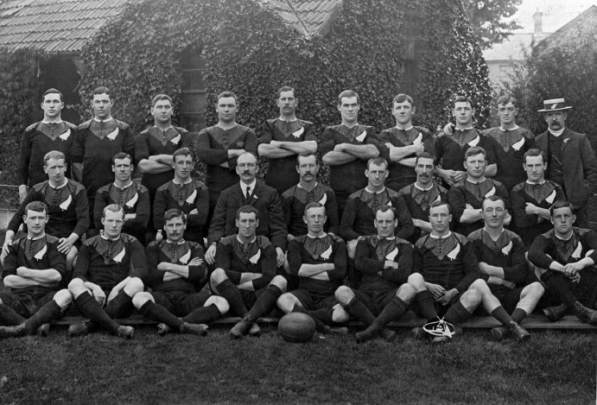
y the time the 1905 All Blacks were finished wiping
the proverbial turf with England’s best teams, it was
time for another dose of national soul searching in
the Home Countries. One journalist from the Daily
Mail had this to say in the aftermath:
“The conclusion is irresistibly borne upon me after every game
that they are not only better men physically, but quicker in
conception, possess much more initiative, and, moreover, a
greater amount of resolution. What is the reason? Has the
decadence of the English athlete really set in?”
It would not be the last time this once-dominant sporting
giant would scratch its head and wonder how it just got
mugged by some upstart colonial.
But such were the hidings handed out in the winter of 1905-6
that New Zealand’s rugby heritage attained new heights. And
as tended to happen in those days of empire, sticking one up
Britannia helped forge a national identity. It was on that tour
that the legend of the All Blacks was formed.
The name itself was not widely used until the end of that
series. There is a famous story that the name was planted
due to a journalistic mistake. When filing a report to a
stenographer, the journalist said that the New Zealand team
played so fast that they played like “all backs”, which was
misheard. The more prosaic reason is more likely though. They
played in their now-familiar black uniform and were referred
to as “The All Blacks, as they are styled by reason of their sable
and unrelieved costume.”
B
THE ORIGINALS:
HOW NEW ZEALAND’S
ALL BLACKS
ARRIVED
BY TIMOTHY MOTTRAM