Basic HTML Version


Touchline • Issue 17 • 31
oing to the gym can be daunting enough,
what with the mirrors, ripped dudes in
chortling packs and machines that seem to
have been designed by one of the Spanish
Inquisition’s more imaginative torturers.
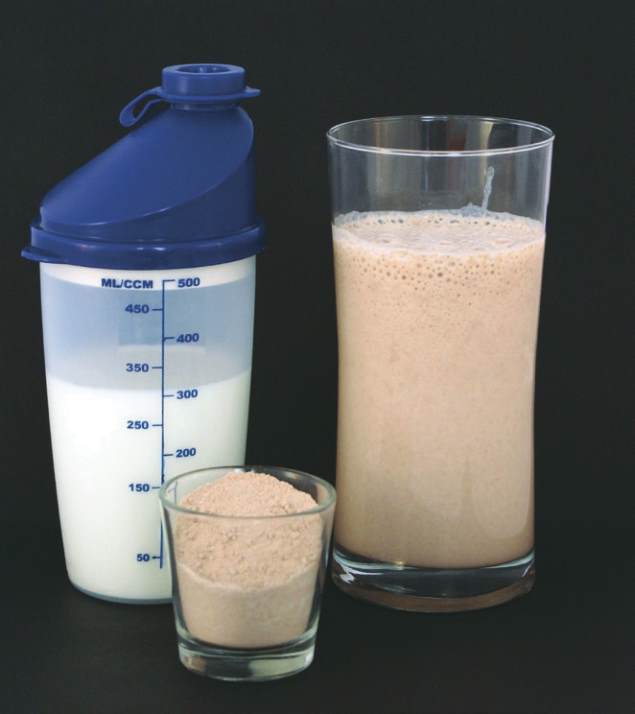
But now look down at the feet of the gym disciples lifting
all that weight. What is in that bottle? The colour doesn’t
seem right: his popping veins must be coursing with
whatever is in that potion. Surely he knows what he is
putting in his body?
Food supplements are a huge part of sports. It doesn’t
take much concentrated sport before you will start getting
curious about how performance and recovery can be
improved through adding something to your diet.
First off, it is worth noting that you can actually get what
you need through diet. Most of the acids and proteins that
these products provide are found naturally and your body
actually needs them. But the practicality of getting the
right amounts can be challenging.
Take protein. The average adult male needs to consume
around 43g person day to keep his muscle mass stable.
That is just going to happen if you have a regular diet;
for example, there is around 25g of protein per 100g of
chicken.
G
FOOD SUPPLEMENTS
AND YOU
BY TIMOTHY MOTTRAM
But say you are trying to stack on muscle. For tangible muscle
growth, body builders need to consume three to four times that
amount of protein. Indeed, if you are lifting enough metal, there
is no limit to the amount of protein you can safely absorb. The
problem comes when you have to eat something like 1.2kg of meat
per day.
To achieve a sculpted body or to compete at a higher level, some
people will dip into the world of food supplements. Before you
ingest them, it is worth knowing what they are good for, what goes
into them and what the risks are.