Basic HTML Version


26 • Touchline • Issue 18
WHEN DOES A
RISK BECOME
‘OBVIOUS’?
wo recent Australian cases involving catastrophic injuries highlight the
importance of displaying explicit warning signs for recreational activities
which pose a risk of serious injury, however remote, to participants.
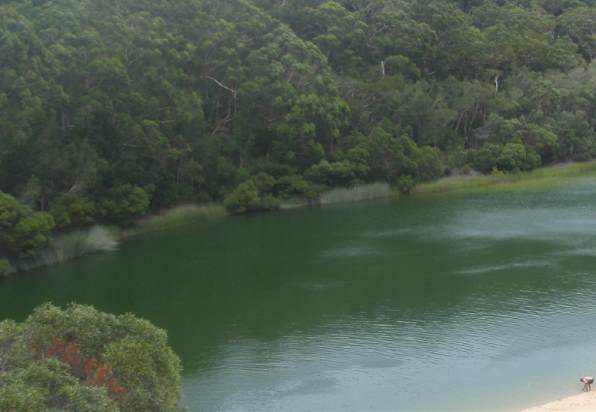
Mr Kelly suffered spinal injuries when he ran down a steep sand dune, lost his footing
(possibly because the sand gave way or shifted underneath his feet), causing him to
plunge into the water too close to the edge of Lake Wabby and struck his head in
the shallow water. Lake Wabby is a popular tourist destination at Fraser Island in the
State of Queensland. Prior to the visit to Lake Wabby, the plaintiff’s party were shown a
video outlining the rules that needed to be followed and the hazards that the location
presented (e.g. the risks involved in entering shallow lakes and streams).
Lake Wabby had been the site of numerous serious injuries and the Queensland
government was aware of its hazardous nature. As a result, two signs were posted - one
at the commencement of the trail leading towards the lake and one near the entrance
to Lake Wabby. The sign warned of danger, noting that “serious injury or death is likely
to occur from running, jumping, or diving into the lake” and “because the sand dune is
steep, running or rolling down the sand towards the lake is dangerous”.
The State of Queensland submitted that the risk of injury associated with the activity
T
James McIntyre
, and
Thomas Zhong,
Graduate
with DLA Piper Australia,
explore the importance of
displaying explicit warning
signs for recreational
activities.
DLA Piper:
T
+61 7 3246 4138
W
dlapiper.com
LEGAL FOCUS:
STATE OF QUEENSLAND V KELLY [2014] QCA 27