Basic HTML Version


20 | Touchline issue 22 | November 2015
touchline feature
O
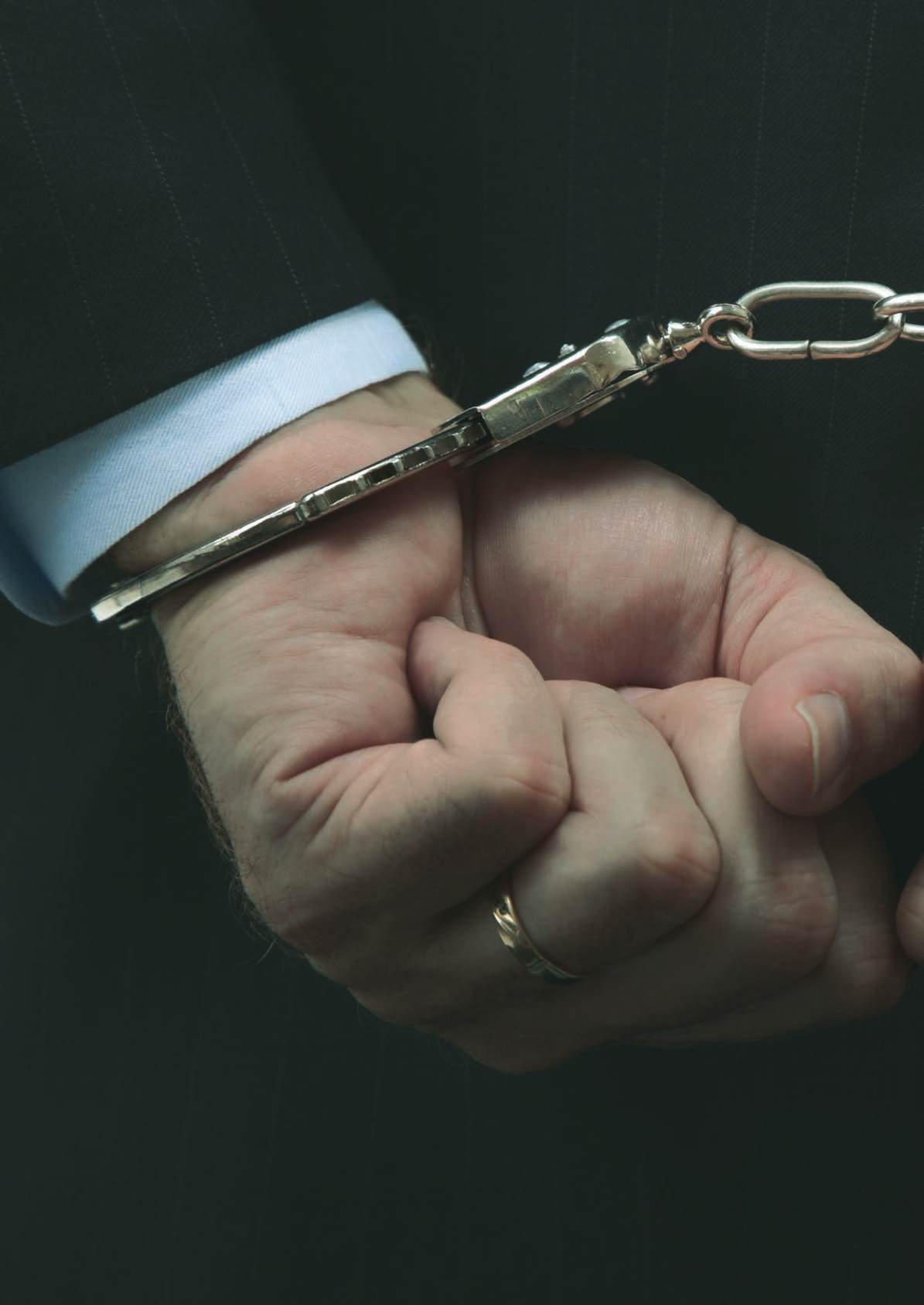
n May 15th, 2015, a gang of FIFA officials were gathered in a
plush hotel in the centre of Zurich. Confident and complacent
after decades of impunity, they had no idea that they were
about to be handcuffed and led away under charges of massive
corruption.
A joint US Justice Department and Swiss criminal investigation had
been looking into FIFA for years, and finally had enough evidence to
pull the trigger on one of sport’s most enormous corruption cases.
Just how this happened, and what comes next, gives a lesson in just
how sporting institutions can turn rotten.
Despite the generally accepted knowledge the FIFA has been corrupt
for decades –former chief Joao Havelange resigned in disgrace - the
authorities became increasingly alarmed after FIFA awarded the
2022 World Cup to Qatar.
With a strong field of candidate countries, among them Australia
and the USA, the world took a unified cold shower when Qatar was
named. With no infrastructure, no football heritage and a diabolical
summer, it seemed obvious what FIFA saw in the bid: petrodollars.
Even for heavy-weight scammers like these guys, this was a step too far.
So the Justice Department got involved. Taking on a big federation
like FIFA might have been too rich a meal for most countries, but
America has one advantage over the rest of the world: it doesn’t
care that much for soccer. They were prepared to go for the throat.
One of the key players in the drama was a former official called
Chuck Blazer. A former No. 2 at CONCACAF –the governing body for
North America - Blazer was knee deep in dirty money.
But what made him a deliciously soft target for the authorities was
the fact that he had developed an aversion to paying his taxes. He
didn’t file for years. In a scene that would not be out of place in a
Scorsese film, he was apprehended while riding his moped through
the streets of Manhattan. He was given a choice: rat out his mates or
go to prison for a long, long time. It is believed that he was sitting on
11 million dollars in undeclared income.
So Blazer wore a wire. He recorded dozens of conversations with
his keychain recording device, and many of the recordings hinted at
shady deals and corruption.
The nature of the bribes is varied, but largely relate to sponsorship
and television rights for the World Cup. FIFA makes most of its
legitimate money from the World Cup, where it controls the
commercial aspects of the tournament. The actual handling of the
building of stadia and other infrastructure is paid for by the host
nation. For example, the World Cup in Brazil cost the nation 4 billion
dollars, yet FIFA made 2 billion.
Here are a few of the bribes that Blazer alleged:
•10 million dollars changed hands when South Africa was awarded
the 2010 World Cup
•Morocco bribed a FIFA official despite the tournament eventually
being awarded to France
•Bribes were taken for broadcasting rights in 1996, 1998, 2000, 2002
and 2003
But there’s more. Jerome Valcke, former No 2 at FIFA, has been
tied to the sale of black market tickets for the World Cup. He too
FIFA:
TAKING DOWN