Basic HTML Version


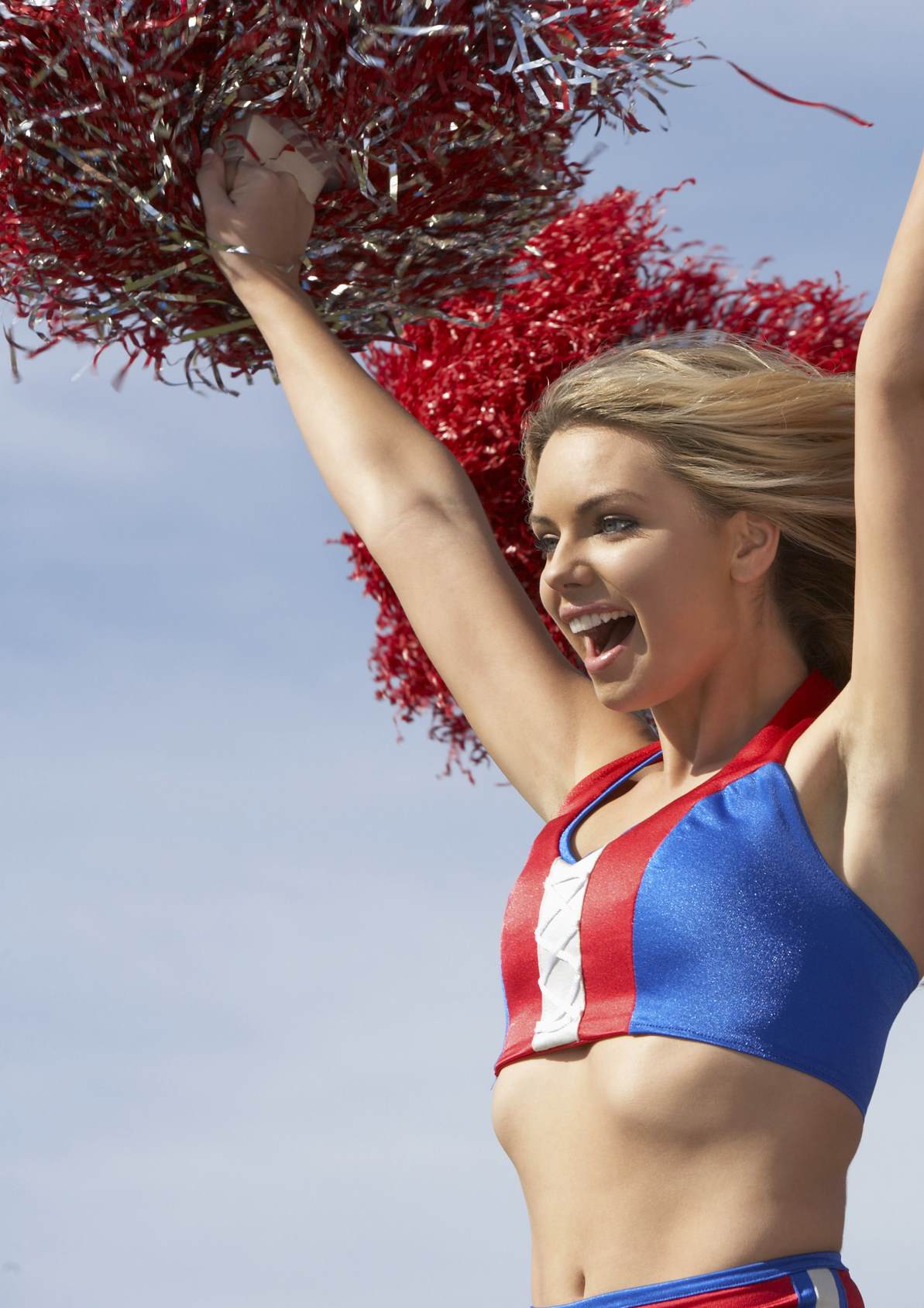
But this mentality fails to account
for the long hours of training,
training camps and the fact that the
cheerleaders are not functionaries
who silently keep the stadium running.
They are part of the image of the team.
And it is not just about turning up for
the match. Many of the franchises impose
behaviour restrictions on the cheerleaders,
which range from patronising to down-right
creepy.
The lawsuits have brought to light some of the
clubs’ code of conduct manuals. A Raiderette could
be fined from her already meager wage for gaining
as much as 3kg, or for appearing “soft”.
The rules for the Buffalo Jills are even more absurd.
Besides having to buy their own $600 uniform, they are not
permitted to wear underwear under their sportskinis or to eat
bread during official dinners.
Other clubs conduct demeaning periodic “jiggle tests” in front of
administrators, where they are required to perform star jumps so the
men can gauge whether they are packing contraband layers of fat.
Some clubs insist that the cheerleaders limit how many times they
refer to themselves as “I” or “me”, implying some weird shade of
humility.
Cheerleading, clearly, is not even close to a picnic. And according to
recent data, it is dangerous as well. “Over the last four years, we’ve
had more concussions in cheerleading than we have in football and
soccer,” Georgia sports medicine director Ron Courson has said.
Dangerous, underpaid, highly exploitable, sexist and anachronistic…
despite this avalanche of negatives, cheerleading continues to be
one of the most highly regarded team sports in American schools.
Supporters cite the way it builds self-esteem and physical ability in
its participants. Students will continue to be drawn to it. Women
will continue to join teams in the future.
Theminimumwe can hope for is for the clubs to see themas a valuable
component of their organisations and reward them accordingly.