Basic HTML Version


touchline
A backpacker is suing the State and tourist operator for
failing to warn him of the dangers after being injured
running down a sand dune and tumbling into a popular
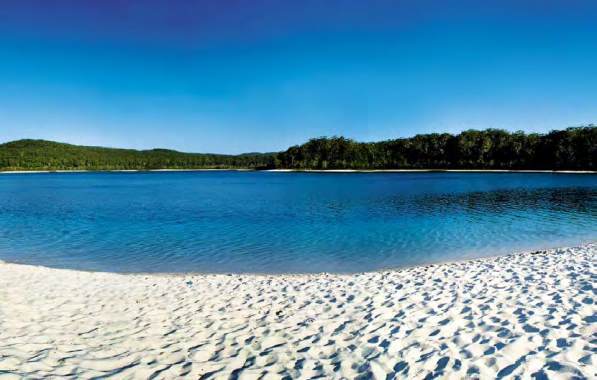
Fraser Island lake in Australia.
Irishman Evan Joseph Kelly, 25 sustained severe spinal
injuries when he ran down a sand dune several times
before falling head-first into the lake after a visit to Fraser
Island’s Lake Wabby in 2007.
He applied this month for leave to sue the State
Government as well as a backpacker hostel and a 4WD
company in the Supreme Court in Brisbane.
He claims the Environmental Protection Agency, despite
being aware of the dangers associated with tourists
running down the dune, failed to properly warn of the
risks or take precautions to minimise them.
He also claims Pippies Beach House, a backpacker
hostel at Rainbow Beach, and Safari 4WD Hire, despite
being aware of the danger, encouraged tourists to visit
the lake, run down the dunes and swim in the lake
without advising of the risks or warning of the lake’s
variable depth.
Mr Kelly had been in Australia on a three-month holiday
with three friends when he joined a self-drive tour of
Fraser Island on the day he was injured.
Mr Kelly had spinal surgery at Brisbane’s Princess
Alexandra Hospital, after an X-ray showed a spinal
fracture. He was diagnosed with C6 incomplete
tetraplegia.
He returned to Ireland after a month in the hospital.
He now walks with crutches and uses a wheelchair for
distances.
Mr Kelly had been an electrician for six years before
the accident, but has been unable to continue that work
since and now works a few hours a week in his father’s
office.
Last year, Su Chul Jang from South Korea, who became
a quadriplegic after he ran down a sand dune and dived
into Lake Wabby in 2006, filed a claim against tour
company Fraser Escape 4x4 Tours Pty Ltd and the
State.
Backpacker sues after lake accident
Insight
English and Egyptian squash
players dominate world rankings
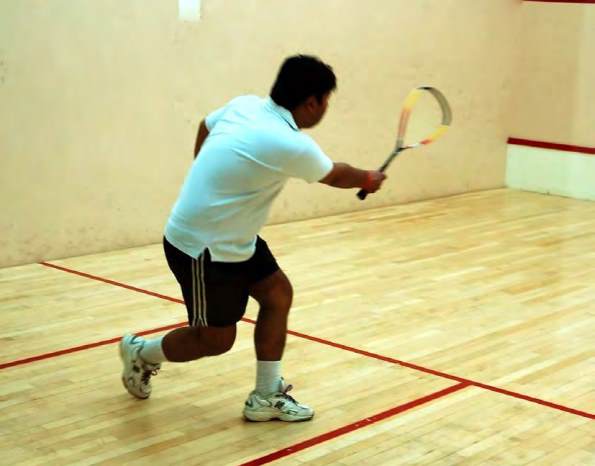
Eight out of the top ten ranked men’s squash players are
from England and Egypt.
Egypt’s Ramy Ashour has reclaimed the world number one
ranking following his victory in the Cathay Pacific Sun Hung
Kai Financial Hong Kong Open at the end of August.
The 22 year-old from Cairo gained number one ranking
in January but was ousted by England’s Nick Matthews in
June this year. However, the top seed, who arrived in Hong
Kong with five successive PSAWorld Tour titles to his credit,
crashed out in the quarter finals leaving Ashour to gain top
ranking.
Despite Matthews losing number one spot in the new world
rankings six England players are in the men’s top 15, and
three women are in the top 10. There are 5 Egyptian men in
the top 15 and three women in the top 15.
England also claimed six titles at the 2010 World Masters
Squash Championships in Cologne, Germany.
Over the last 15 years England’s squash players have “won
everything”, according to national coach David Pearson.
This success comes at a time of bitter disappointment for
squash, which was overlooked by the International Olympic
Committee for a place in the Games programme, with rugby
sevens and golf preferred.
The sport is part of the Commonwealth Games programme,
though and governing body England Squash and Racketball
has its eyes firmly fixed on “bringing back a bagful of gold
medals” from Delhi in October.
Communications coordinator Madeleine Bird attributes
success at squash’s elite level to a “thriving set up” from the
junior squads up to elite players.
“We’ve got some really good coaching guys in place with
eight regional centres across England - the coaches spot
players to watch and develop,” she said.
“We want to introduce squash to 122,000 children between
2008-2013 - for them to become regular players. It’s a pretty
ambitious figure.”
Sport England statistics show that 500,000 people regularly
play squash in England and that there are 900 affiliated clubs
and 4,500 squash courts across the country.