Basic HTML Version


F
touchline
18
Legal Aid
With summer holidays in the southern hemisphere almost here,
many of us have already planned our holidays and those holidays
may well include activities for which there is little or no time in our
hectic working lives. Anyone who has ever visited Queenstown in
New Zealand will know that there is a multitude of ways to place
one’s body on the line in the name of recreation. It is no secret that
skiing, mountain biking and bungee jumping provide opportunities
for injury but, as we will see below, even an apparently innocuous
dolphin watching cruise has its hazards.
People will always be drawn to physical recreational activities,
especially where they involve testing our stamina or fortitude. In
short - activities that involve some physical risk. This raises the
question for recreational activity providers: ‘If our customers are
exposed to physical risks, how do we manage the legal risk?’.
The most effective method of managing or transferring that risk
is to incorporate it into the contract with the participant prior to
the activity being commenced. However, with risk transfer, as in
sport, timing is everything.
Rogue wave wipes out purported waiver
The New South Wales Court of Appeal decision in
Lormine v Xuereb (2006) NSWCA 200 illustrates
the importance of completing a release at the time
the contract is formed between the activity provider
and the participant. The plaintiff suffered personal
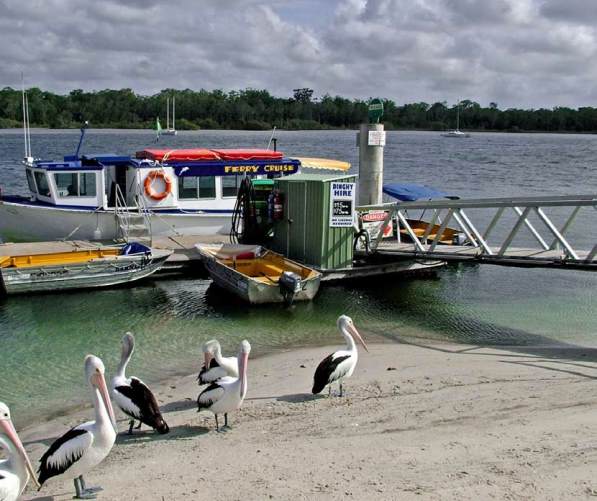
injuries during a dolphin watching cruise when the
vessel was struck by a large wave. The plaintiff
had booked the tour for her family the day before
the cruise. When she and her family arrived at the
dock on the day of the cruise she was presented
with a form headed ‘Release of liability, waiver of
claims express assumption of risk and indemnity
agreement’ by which she purportedly released the
cruise operator from any legal claims for damages
for personal injury. The plaintiff gave evidence that
she had not read the document before signing it and
stated that the cruise operator’s representative had
told her it was simply a form in respect of passenger
numbers.
The Court concluded that:
• The contract between the plaintiff and the tour
operator had been formed either the day before
the trip or when the tickets were paid for
• The contract did not incorporate the terms of the
purported release.
• The alleged release did not give any notice to the
plaintiff that its terms were to be incorporated into
the contract between the plaintiff and the cruise operator.
• The oral communications from the tour operator’s employee
did not warn the plaintiff that the alleged release was
contractual or intended to vary the existing contract.
• The tour operator had misrepresented the nature of the
document by describing it as being simply to allow the tour
operator to conduct a head count of passengers.
Consequently, the alleged release failed and the cruise operator
was found liable for the plaintiff’s injuries.
The decision illustrates the need for any waiver of a participant’s
legal rights to be incorporated into the contract at the time the
Releases
Can they cover the spills while you deliver the thrills?
Article by James McIntyre Senior Associate
Litigation & Dispute Resolution, DLA Phillips Fox.
activity is booked and payment made, rather than immediately
before the activity commences.
Who needs to be protected?
The release needs to identify the persons or entities to be released
from potential claims. Consequently, when drafting a release,
the activity provider should specify whether there are any other
parties, such as subcontractors or property owners, who should
be identified in the release.
Clarity
The Lormine decision illustrates the need for activity providers
to make participants aware of the nature of the release and its
potential effect upon their legal rights against the activity provider.
The need for clarity is heightened by the fact that the Courts will
adopt a strict interpretation of the wording of the alleged release
in favour of the injured person unless the activity provider can
demonstrate that the wording of the waiver was unambiguous.
Consequently, to be effective, the waiver needs to alert the
participant to the nature of the proposed activity, the general risks
associated with that activity and the fact that they are giving away
their legal rights to the
activity provider.
Brevity
It is possible to draft a
legallyeffective release
which recites and
discusses all pieces of
consumer protection
legislation and place
the participant on
notice of all risks and
warn of the loss of
rights in signing the
form. However, from a
practical perspective,
such documents would
be long and would
probably deter all but
the most enthusiastic
participants.
The wording of a
waiver will depend
upon the nature of
the activity and needs
to strike a balance in
addressing applicable
consumer protection
legislation and creating something that a potential participant will
read, understand and sign.
Documenting the participant’s agreement
Where payment is made in person by the participant, the
acceptance of the terms of the release can be documented in
writing at the time of payment. Similarly, in the case of internet
bookings, the operator’s website should be designed so that the
acceptance of the terms of the release can be recorded before
payment takes place.
Telephone sales present a greater challenge because the
contract is verbal. However, activity providers may be
